Noticed Something? Take a Breath First
You noticed something. Maybe a musty smell in the hall closet. Maybe a gray-green spot in a ceiling corner after the first big rain. Take a breath. This is common in homes across the Brentwood area, and it is fixable.
Givenpeak Mold Help is a referral service. It does not do the work itself. It connects homeowners in Brentwood, CA with independent local providers who inspect, test and remove mold. You describe what you are seeing, and a provider in our network follows up with you.
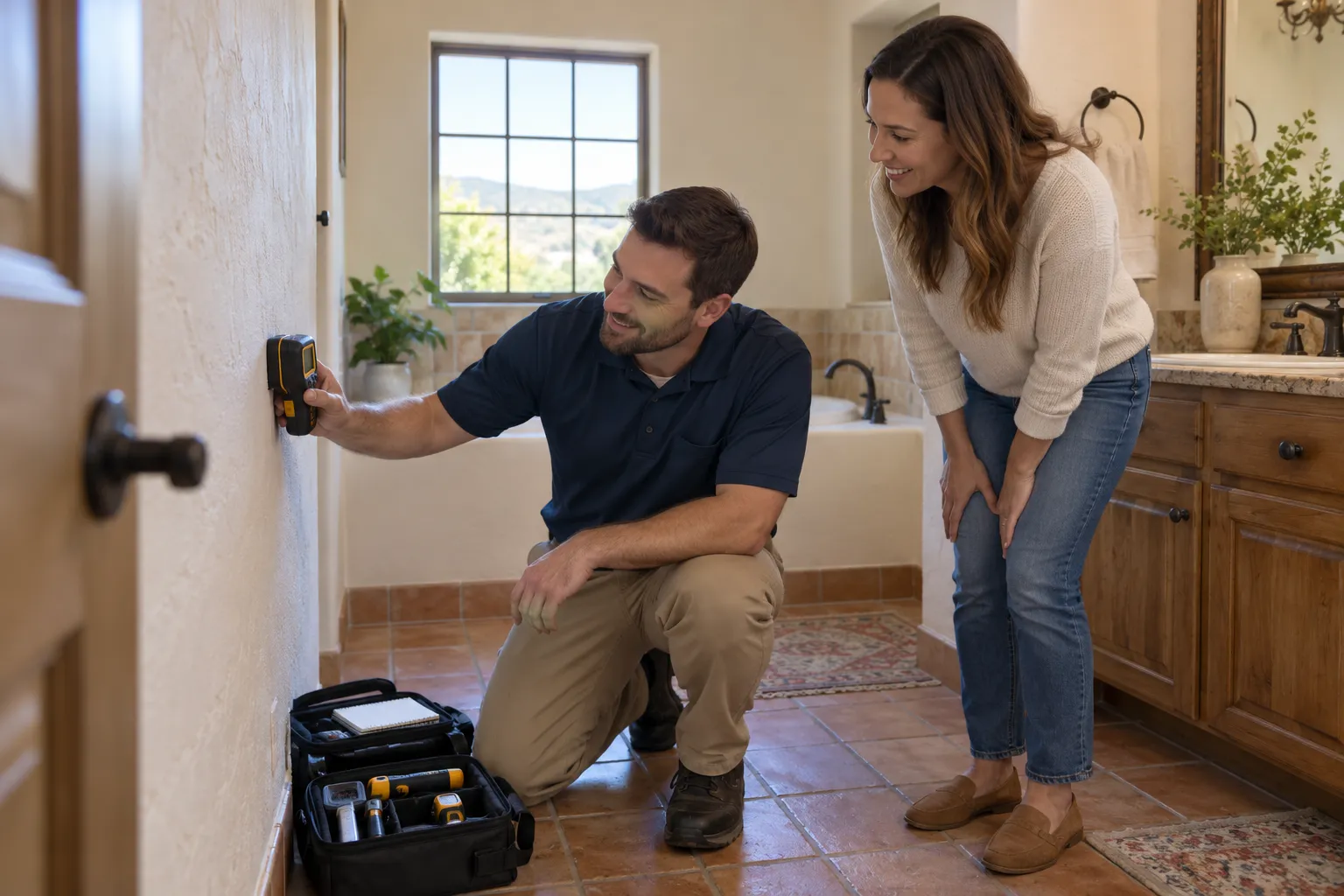
Most people start by searching for mold inspection near me, and that is a sensible first step. An inspection can show what is growing, where the moisture is coming from, and whether you need full remediation or only a small cleanup.
Here is the part people often skip. Removing mold is only half the job. Fixing the moisture and keeping the home dry afterward is what stops it from coming back. A good provider will talk with you about both.
Ready to see what is going on? Request an estimate and let a local provider look at your situation. There is no obligation, and you can take your time deciding.
Request an Estimate
How It Works
A simple path from worry to answer
There are three small steps. First, you tell us what you have noticed and where. Second, Givenpeak Mold Help passes your request to an independent provider in Brentwood or nearby. Third, the provider contacts you to talk through an inspection, testing or removal and to give you a written quote.
That is all. You choose whether to move forward.
What referral really means
It helps to be clear about who does what. Givenpeak Mold Help does not send its own crews, and it does not do inspections or removal. The providers are independent local businesses. They set their own schedules, prices and methods, so availability varies. Request a callback to check provider availability if you would like to talk it through.
Services you can ask about
- Mold Remediation: removing growth, drying the area and repairing the moisture problem behind it.
- Mold Inspection & Testing: finding the source, sampling the air or surfaces, and getting a written report.
Not sure which one you need? Many homeowners begin with an inspection, because it turns a guess into facts.
Fix it, then keep it fixed
This site leans on one idea. The work is not really finished when the mold is gone. It is finished when the cause is handled and you know how to keep the home dry. Ask every provider what they recommend for afterward. Good answers usually include ventilation, humidity checks and a plan for future leaks.
Serving Homes Across the Brentwood area
Homes in Brentwood and across the Brentwood area come in all shapes. You may have a stucco ranch on a slab, a raised foundation with a dim crawl space, or an older bungalow with its original plumbing. Many neighborhoods are full of tract homes built between the 1950s and 1980s, and those houses have their own quirks.
The weather plays a part too. Long dry seasons can hide a slow leak. Then a winter rain event shows up and finds it. Wildfire smoke seasons keep windows closed, which can trap humidity inside. Near the coast, mild temperatures mean air can stay damp for days.
None of this means you did something wrong. It just means mold can start quietly. Providers in our network know these local patterns, and they can tell you what is likely in your kind of home.
Tell us where your home is and what you are seeing, and we will point your request toward a provider who serves your part of the area.
Request an Estimate
What Local Homeowners Should Know About Mold
Early signs worth noticing
Your nose often knows first. A damp, earthy smell that lingers is a strong hint. So are fresh stains, peeling paint, bubbling drywall, or a window that stays foggy. Catching these signs early can mean a smaller job. If something looks off, jot down where and when you saw it.
Where moisture hides in older homes
Older bungalows and 1950s to 1980s tract homes often have tired plumbing, thin attic ventilation and crawl spaces that stay damp. Stucco ranch homes can hold water behind the wall after a leak. Mold follows moisture, so finding the source matters more than the stain you can see.
Rain, smoke and dry spells
Long dry seasons can make you forget about water. Then a winter rain event finds a weak flashing or a clogged gutter. Wildfire smoke seasons keep windows shut, which can trap indoor humidity. Near the coast, mild air can stay damp for days. Each pattern deserves a quick check.
Is it black mold?
"Black mold" gets a lot of attention, but color alone cannot tell you the type. Many molds look dark. Testing is what tells you what is growing. Treat any dark growth seriously, and ask a provider about black mold remediation if the patch is large or keeps coming back.
When testing makes sense
Testing helps when you smell mold but see nothing, after a leak, or before and after a job. Ask whether the provider offers certified mold testing, and what that certification covers. A written report gives you a clear starting point.
What removal usually involves
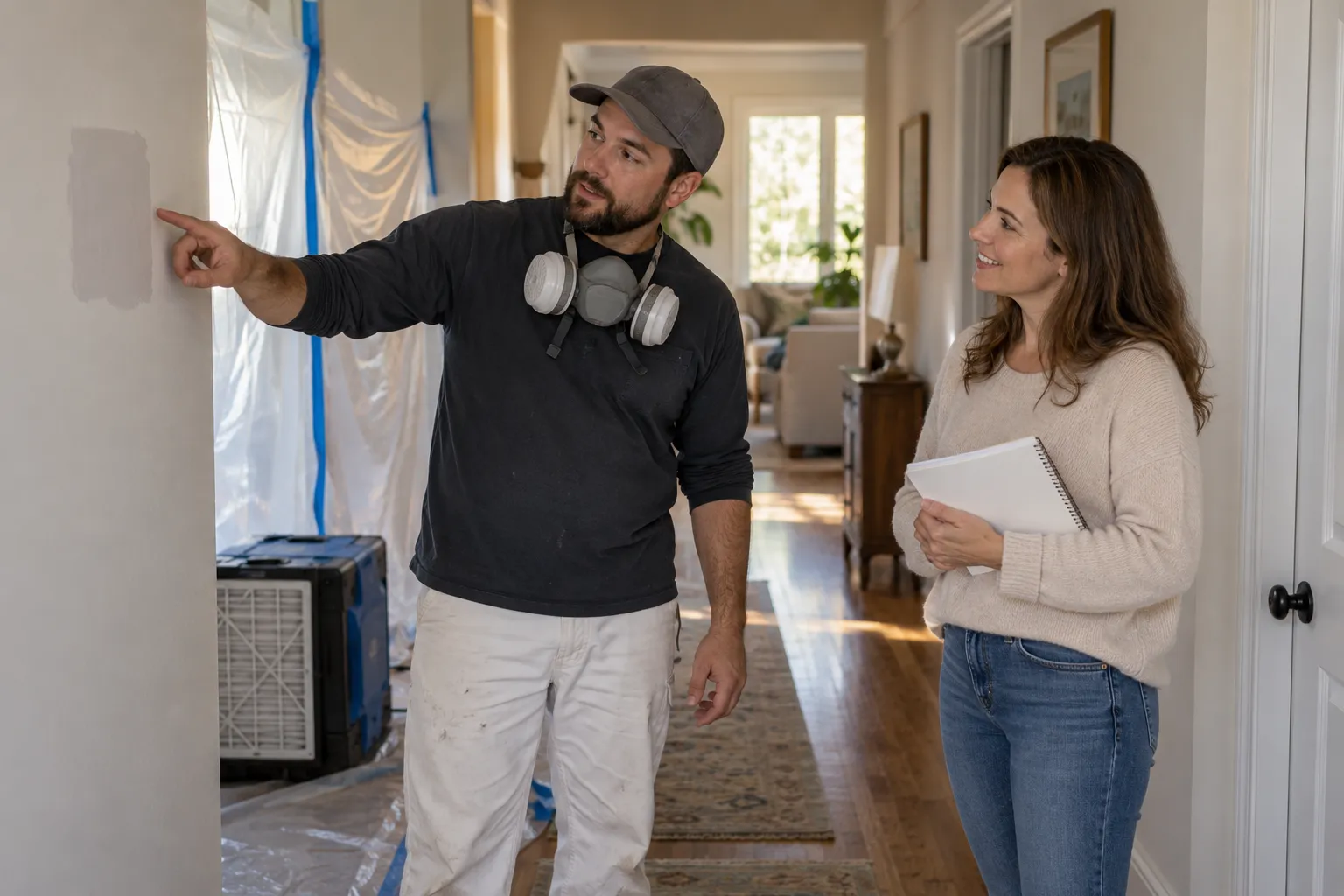
Residential mold removal typically means sealing off the area, fixing the moisture source, taking out damaged materials, cleaning surfaces and drying everything well. Some providers retest afterward to confirm the result. Spraying bleach on a stain is rarely enough.
Typical costs
In the U.S., an inspection with testing often runs a few hundred dollars up to about a thousand. Removal can range from several hundred dollars for a small area to many thousands for large or hidden growth. Prices vary by job, so ask for a written quote.
Insurance and paperwork
Some policies may cover sudden damage, such as a burst pipe. Slow leaks are often treated differently. Check your policy. Providers can often help document damage for a claim, so keep photos and reports.
Keeping it away after the repair
This is the part that protects your investment. Aim to keep indoor humidity below about 50 percent. Run bath and kitchen fans. Fix drips quickly. Clean gutters before the rainy months. Keep soil sloping away from the foundation. Look under sinks once a month. A small humidity meter is inexpensive and worth having.
Questions to ask a provider
Ask what they will test, how they will contain the area, how they will find the moisture source, and what the written quote covers. Ask what to do afterward to prevent regrowth. A calm, clear answer is a good sign.
Ask for Your Estimate
The easiest next step is to request an estimate. Share a few details about what you have noticed, and a local provider can follow up with you. There is no obligation.
Prefer to talk? Request a callback to check provider availability in your part of the Brentwood area.
Request an Estimate